The Textorcist (Aftermarket / Homebrew Concept)
Developer(s): Originally an indie PC/console release (original studio credited on commercial versions); Dreamcast concept & fan port by retro homebrew community
Publisher(s): Fan/Aftermarket concept release (MIL-CD concept / static-image disc builds)
Platform(s): Sega Dreamcast (fan MIL-CD concept), Windows PC, macOS, consoles (original commercial releases)
Released: Original release: 2019–2020 era (commercial); Dreamcast concept: fan-made 2025 concept builds
Genre(s): Typing Shooter / Action
Perspective: Fixed-screen boss arenas / top-down bullet-hell segments
Mode(s): Single-player
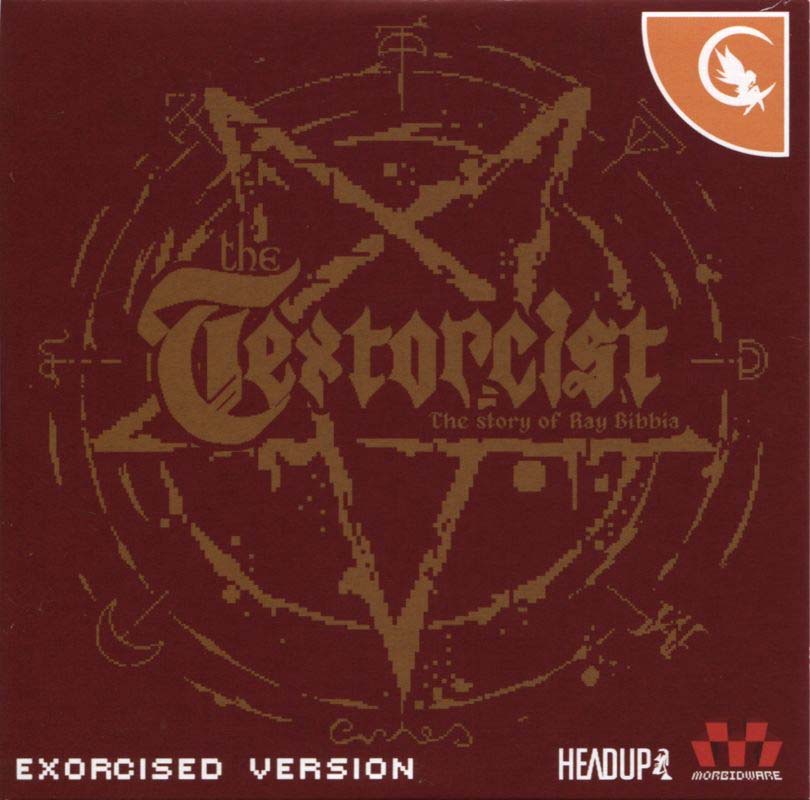
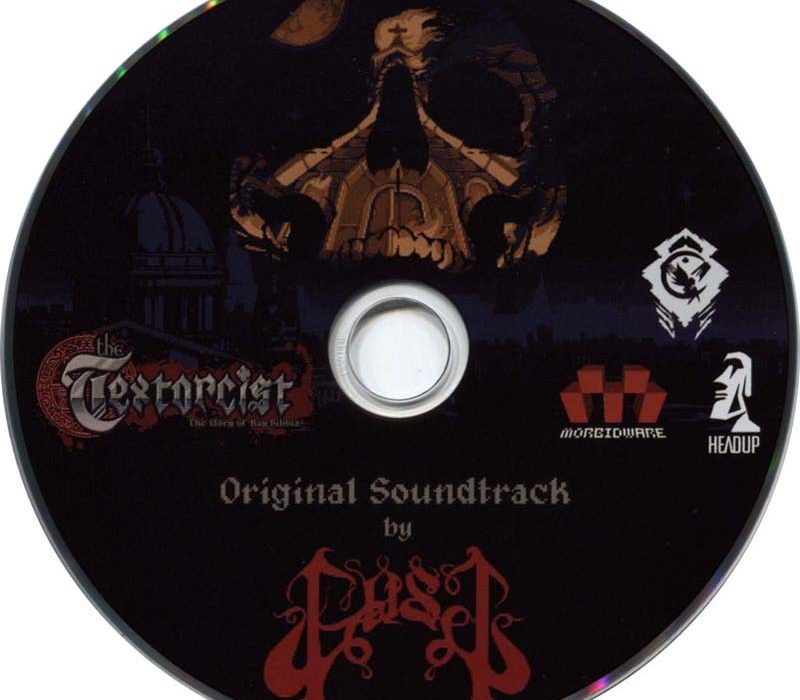
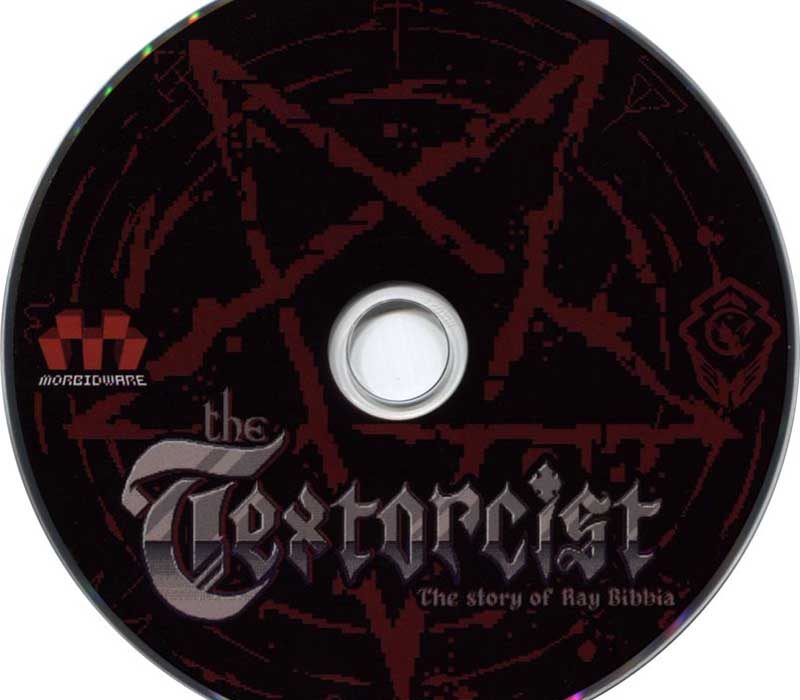
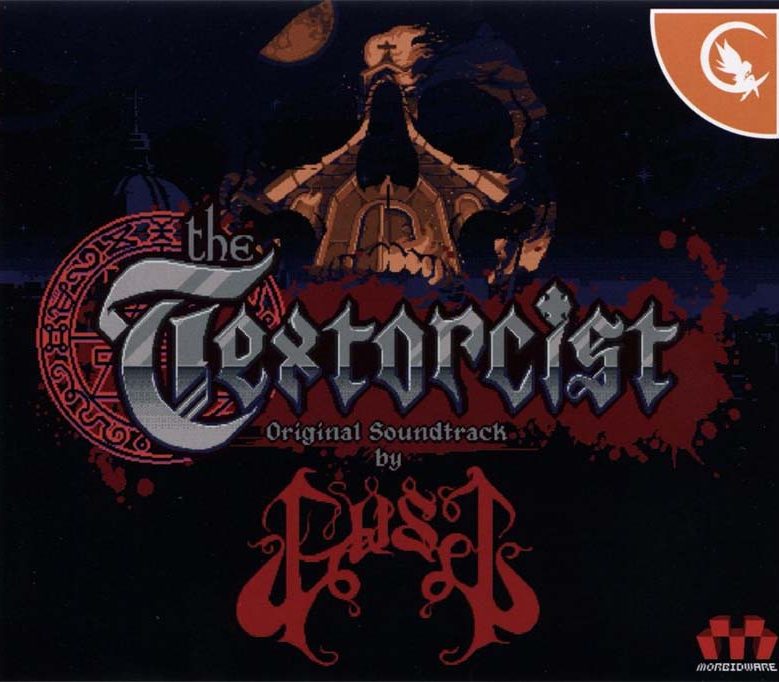
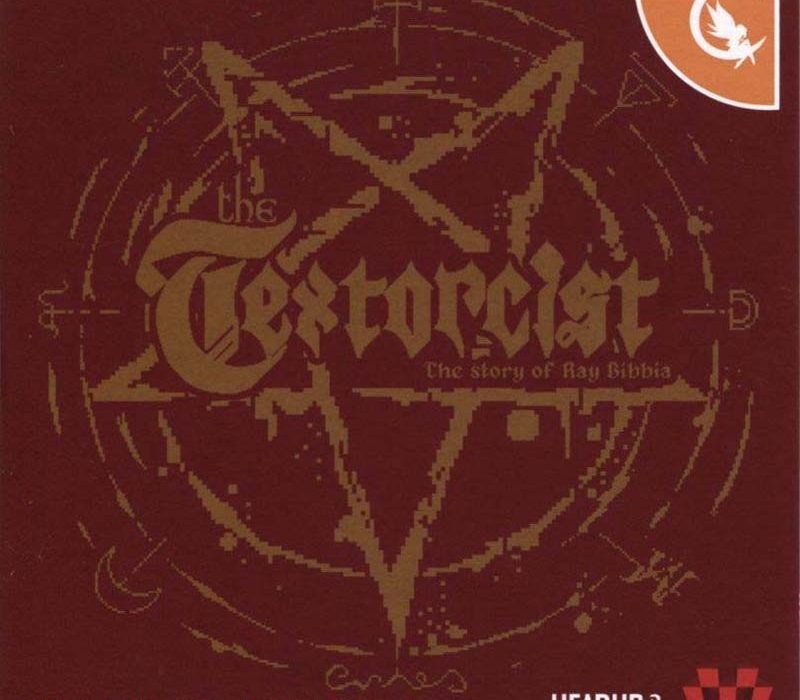
The Textorcist – Sega Dreamcast – Box Art
“Type the righteous words. Dodge the damned.”
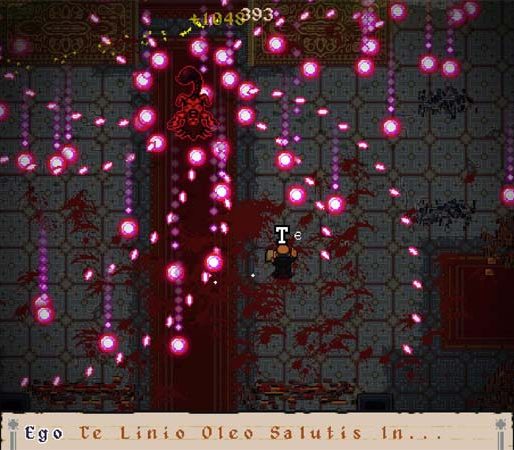
The Textorcist reimagines exorcism as a blistering typing-bullet-hell: players enter demon-infested arenas, dodge incoming hellfire, and type precise incantations to vanquish foes. It’s a mash of reaction-based typing, pattern recognition, and frantic spatial awareness — distilled into punchy fights and memorable boss encounters.
Overview
Originally released for modern platforms as a genre-bending indie title, The Textorcist has captured retro-community interest for a conceptual Dreamcast port. The game’s short, intense encounters and text-driven combat mechanics translate well to Dreamcast-friendly session lengths — making the idea of a MIL-CD concept or static-image disc an intriguing fan experiment.
⌨️ Gameplay
Players control a hardened exorcist who faces waves of demonic attack patterns. Each enemy encounter requires players to type specific words or short phrases (the “rites”) while simultaneously moving to avoid projectiles and environmental hazards. Timing, keyboard accuracy, and spatial positioning are equally important — with higher difficulty increasing typing length and bullet density.
- Rites & Typing: Targeted words appear over enemies; typing them casts the exorcism and stuns or banishes foes.
- Bullet Hell Movement: Fast, precise dodging matters — arenas are designed to reward quick reads and confident strafing.
- Parries & Counters: Successfully finishing a rite at exactly the right moment can produce a parry, clearing space and opening counter windows.
- Progression: Unlock new incantations, modifiers (shorter words, time dilation), and challenge rooms that remix enemy patterns.
- Replay: Score runs, speed-typing leaderboards, and challenge modes (blind typing, no-damage runs).
🌈 Visuals and Audio
The Textorcist’s aesthetic combines gritty neo-noir backdrops with comic-book stylings and over-the-top demonic designs. A heavy, swung-synth / industrial soundtrack accompanies the action while punchy, impactful SFX make each successful incantation and dodge feel tactile — all of which can be approximated on Dreamcast-era audio hardware in a fan port with careful compression and loop work.
🔧 Technical Details
- Platform: Conceptual Dreamcast MIL-CD fan port; original native releases on PC and consoles.
- Video: 4:3 native with optional letterboxed widescreen builds for modern ports; Dreamcast-targeted output aimed at 480p VGA where possible.
- Controls: Typing is core — Dreamcast builds rely on keyboard peripherals (via VMU/keyboard adapters) or on-screen input schemes; controller-friendly variants remap rites to quick-select prompts with timing windows.
- Saves: VMU-compatible quick-checkpoints for challenge rooms; high-score tables stored to VMU or static save files in image builds.
- Extras: Gallery, typist training minigames, and a boss-rush mode optimized for short play sessions.
🔥 Fan Reception
The Textorcist is admired for its audacious concept and the way it blends typing fidelity with arcade-level urgency. Retro and indie communities often cite it as a natural candidate for inventive fan ports — its short, arena-based encounters make it especially well-suited to the Dreamcast homebrew scene.
💾 Disc Status
No official Dreamcast retail release exists. What you’ll find are fan-made concept builds, MIL-CD experiments, and static-image ports shared within Dreamcast homebrew circles. If you try a fan image, follow community best practices and respect licensing and distribution rules for original commercial content.
Difficulty: Adjustable (Casual Typist → Demon Slayer)
Play Sessions: 5–25 minutes per arena/boss encounter