
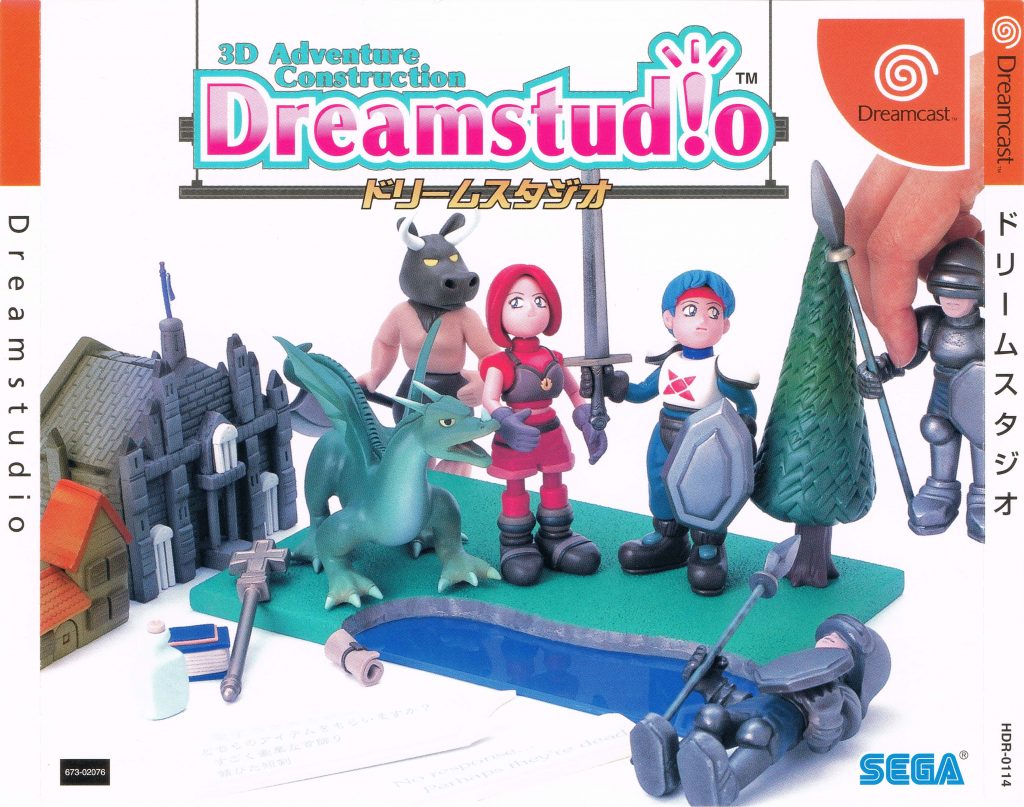
DreamStudio — Sega Dreamcast (Multimedia Creation & Internet Utility Suite)
Developer(s): Sega Enterprises, Ltd.
Publisher(s): Sega (Japan)
Platform(s): Sega Dreamcast (NTSC-J)
Released: 2000 (Japan)
Genre(s): Multimedia Utility / Image Editor / Internet Application
Mode(s): Single-console creative suite
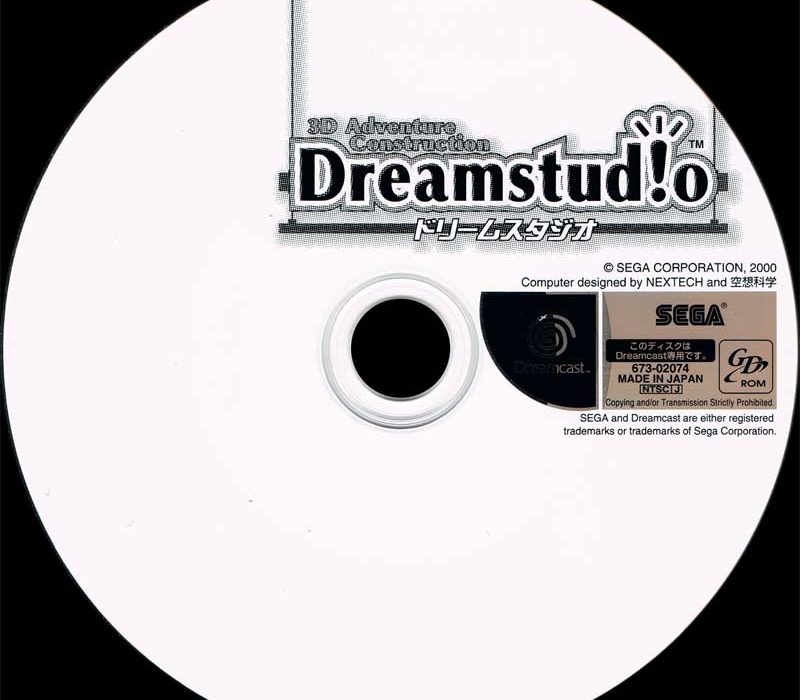
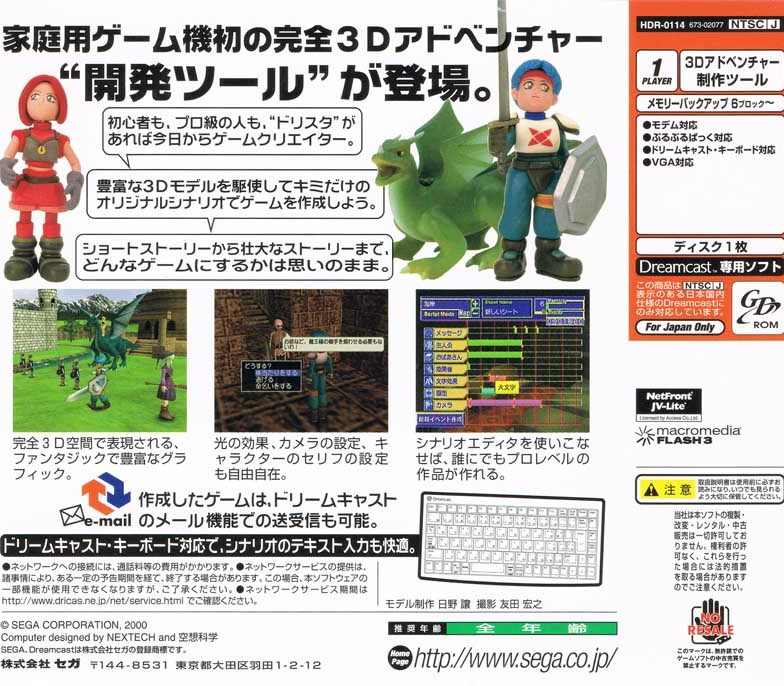
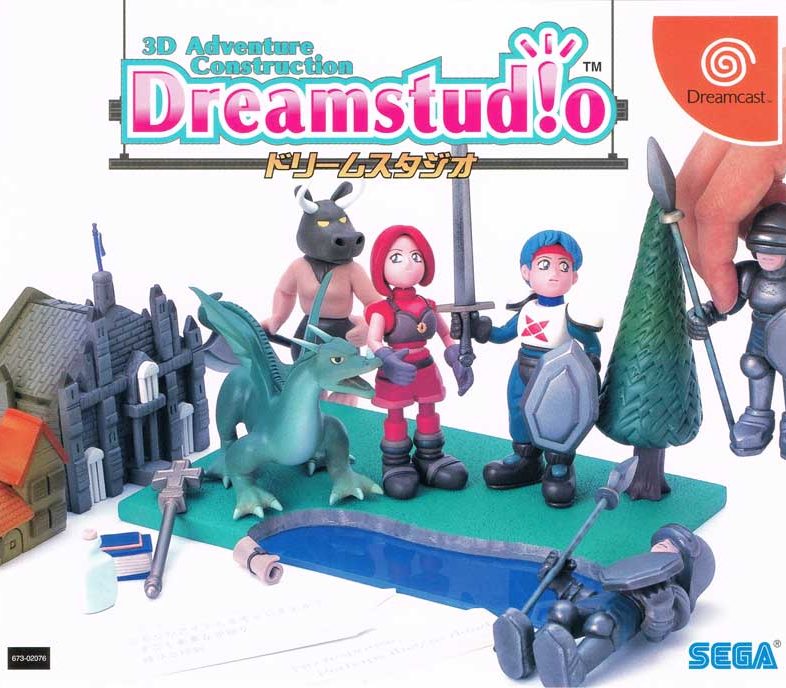
DreamStudio – Sega Dreamcast – Box Art
Overview
DreamStudio is a creative and communication-oriented utility developed for the Japanese Sega Dreamcast, released around 2000. Acting as both an image editing and online sharing tool, it was designed to complement Sega’s Dream Passport software suite. The disc enabled users to create, manipulate, and send artwork, handwritten messages, and simple multimedia compositions using the Dreamcast’s controller, mouse, and keyboard. It represented Sega’s vision of the Dreamcast as a hub for both entertainment and creative expression.
📜 Background & Development
Released exclusively in Japan, DreamStudio expanded the online capabilities of the Dreamcast by integrating creative editing tools with network sharing features. Built upon the Dream Passport framework, the application allowed users to produce artwork, postcards, and wallpapers that could be uploaded to Sega’s online services or emailed directly. Sega marketed it as part of its “connected creativity” initiative, emphasizing user-driven content creation during the early 2000s internet boom.
🧭 Features & Tools
- Drawing & Painting Suite: Offers brush, stamp, and texture tools to create original images using the controller or Dreamcast mouse.
- Layer & Frame Editing: Supports simple multi-layer compositions and animations.
- Import Support: Load and edit screenshots or images stored on VMU or other system media.
- Email & Online Posting: Integrated sharing tools allowed sending artwork via Dream Passport email or Dreamarena-style bulletin boards.
- Keyboard & Mouse Integration: Full input support for more precise creative control.
🔧 Technical & Compatibility Notes
- Region: NTSC-J (Japan-only release).
- Network Requirements: Compatible with Japanese dial-up modems and modern DreamPi configurations.
- Peripheral Support: Mouse, Keyboard, and VMU supported; controller use also possible for drawing.
- Storage: Image files saved to VMU (one or more blocks per project).
- Disc Type: Standard Dreamcast GD-ROM (official retail release).
🎨 User Interface & Experience
The interface of DreamStudio was colorful, intuitive, and highly stylized to fit Sega’s late-1990s aesthetic. Menu options were icon-based, with soft pastel colors and easy navigation designed for TV display. Users could combine drawn art, text, and digital stickers into multimedia “pages.” The software’s charm came from its simplicity — making it accessible even to younger Dreamcast users with no technical background.
🎮 Community & Online Integration
During its brief period of official support, DreamStudio tied directly into Sega’s Dricas network, enabling users to share their creations or participate in art contests. Users could email their drawings to friends or upload them to community hubs. Though these services are now defunct, enthusiasts have preserved many of the original assets, and recreated parts of the online experience via fan-run Dreamcast networks and emulators.
💾 Collectibility & Packaging
Physical copies of DreamStudio are moderately rare today, especially outside Japan. It was distributed in standard Dreamcast CD cases with vibrant artwork featuring creative motifs. Original manuals included visual guides for art tools and network settings. Because it was marketed primarily as a companion disc for the Dream Passport line, many units were sold in limited promotional bundles, making complete sets desirable among collectors.
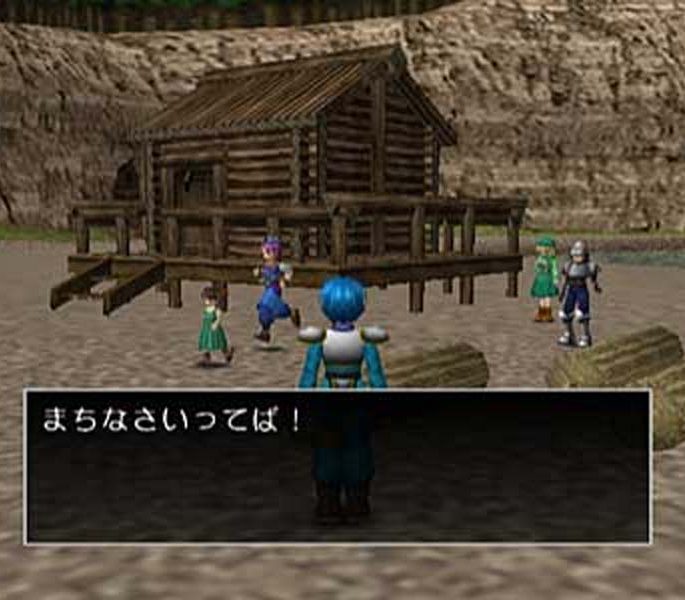
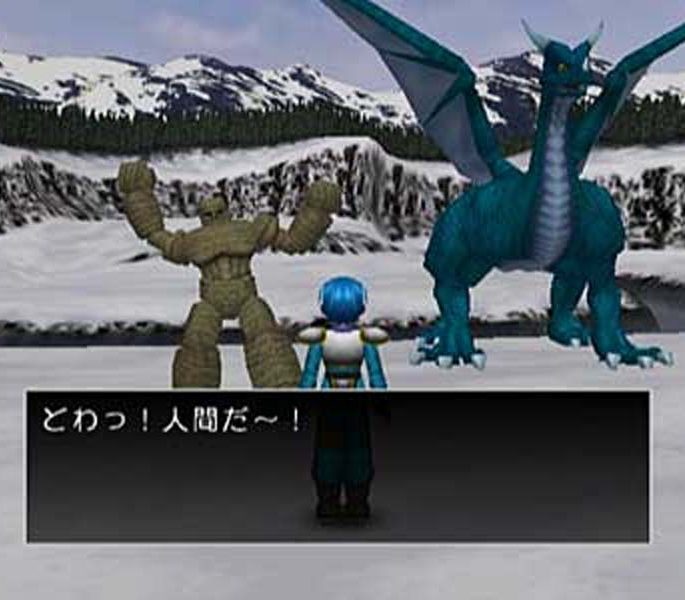
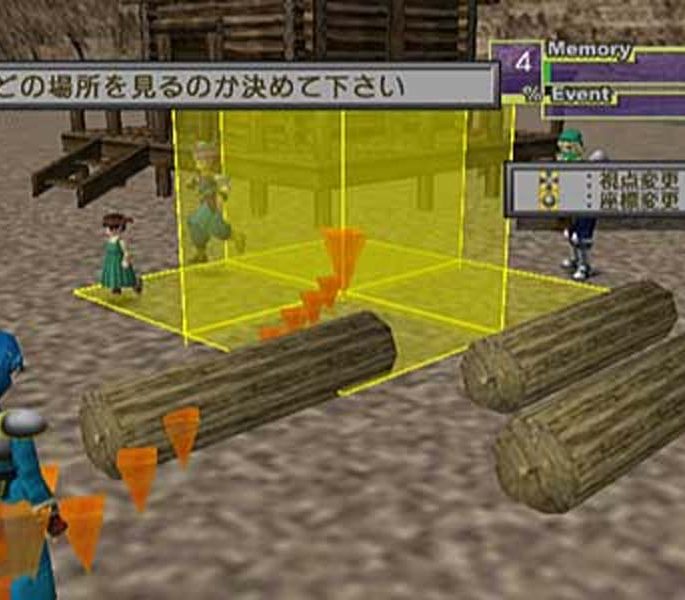
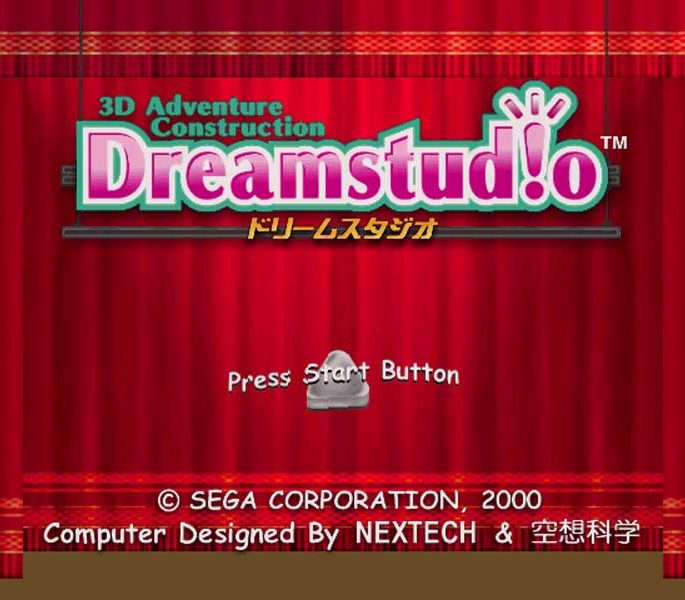
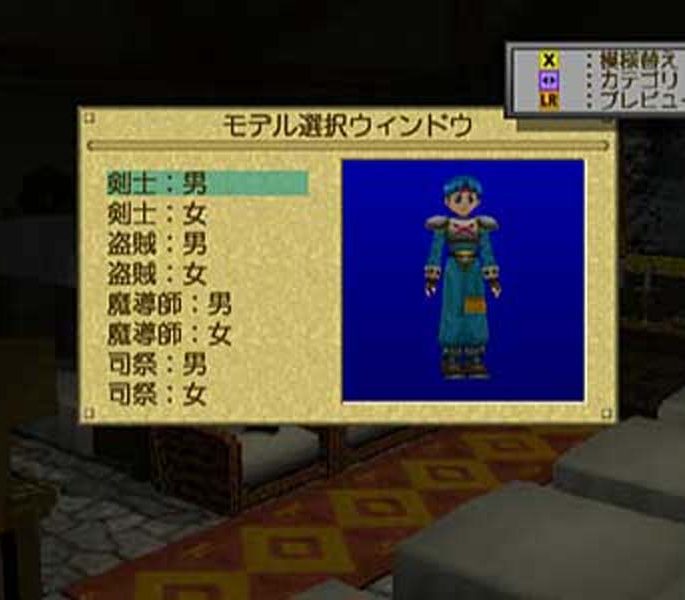
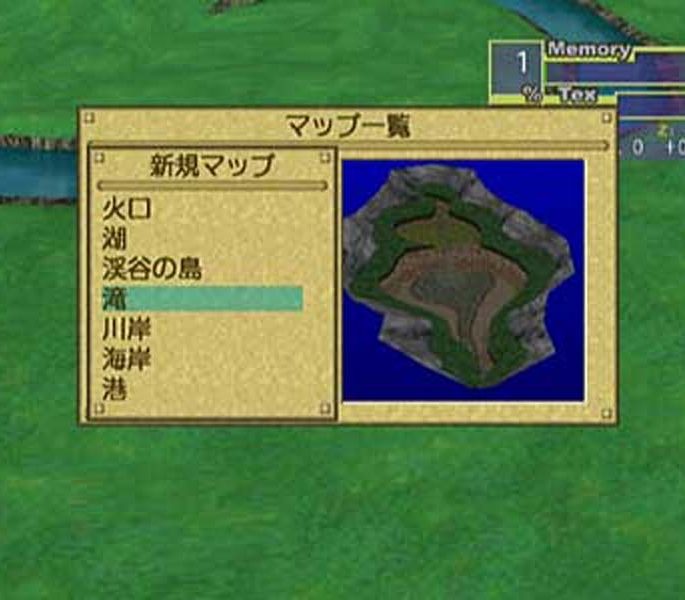
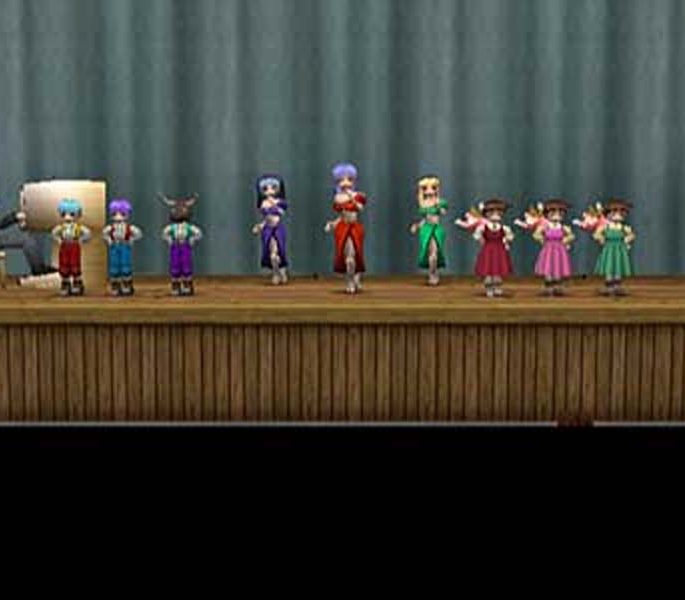
DreamStudio – Dreamcast – Screenshots



DreamStudio – Dreamcast – Videos
🔎 Preservation & Legacy
Although DreamStudio was never officially localized outside Japan, it stands as one of Sega’s most creative experiments with console-based user-generated content. Preservation groups and Dreamcast hobbyists have archived its disc images, manuals, and network documentation to keep the software accessible. Modern DreamPi setups can replicate some of its original online functionality, and community translators have begun partial English localization efforts to make its interface more approachable.
💾 Legal & Archival Notice
DreamStudio is an official Sega Japan product and remains protected under copyright law. Physical discs are legal to collect and trade, but redistribution of GD-ROM images without permission is not permitted. Preservation and documentation efforts are focused on educational, non-commercial use to ensure this unique Dreamcast utility is remembered within Sega’s creative history.
Installation & Usage Notes
To experience DreamStudio today, users can load the disc on a Japanese Dreamcast or compatible emulator. For authentic functionality, a Dreamcast Mouse and Keyboard are highly recommended. While its original online posting features no longer function, art creation, file saving, and offline preview features remain fully operational. Enthusiasts may also use modern DreamPi connections to simulate limited online capabilities.
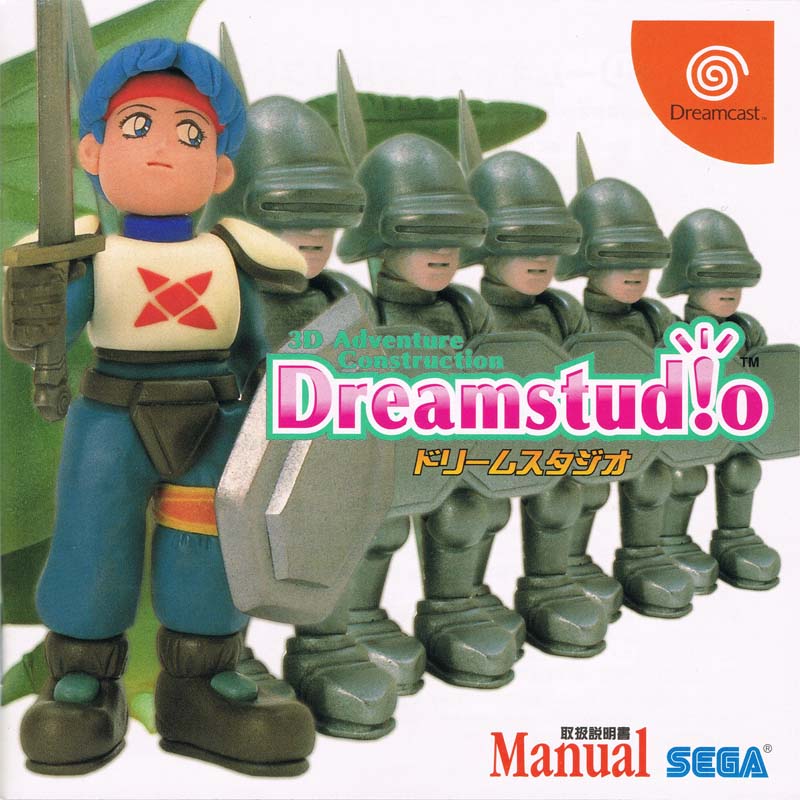
DreamStudio – Sega Dreamcast – Instruction Manual
© 2000 Sega Enterprises, Ltd. | DreamStudio (NTSC-J System Utility Disc)
This article provides a complete historical overview of DreamStudio, Sega’s creative multimedia platform for the Dreamcast. Replace placeholder media, slideshow IDs, and playlist links with verified assets prior to publishing. All content provided for documentation and preservation purposes.